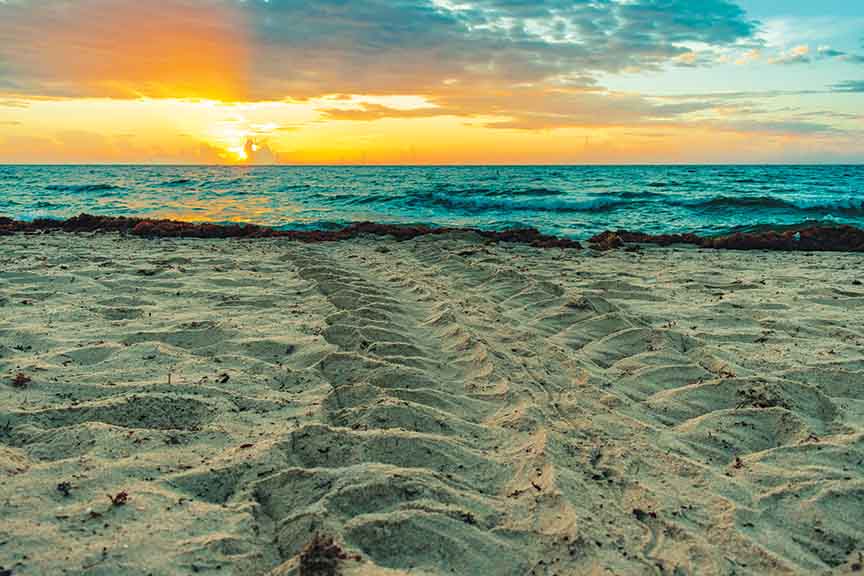
Early mornings on a South Florida beach feel almost untouched. The sand is smooth, the air is quiet, and if you look closely, you might spot something incredible, a long, winding trail leading from the ocean toward the dunes and back again.
That trail tells a story. One that plays out every year along our coastline.
Sea turtle nesting season in South Florida runs from March 1 through October 31. During this time, loggerhead, green, and leatherback sea turtles return to our beaches to lay their eggs. South Florida is home to some of the world’s most important nesting beaches, making every visitor an important part of protecting these remarkable animals.
South Florida’s coastline isn’t just beautiful, it’s essential to the survival of several sea turtle species.
The combination of warm sand, gently sloping beaches, and favorable nesting conditions makes beaches throughout Palm Beach, Broward, and Miami-Dade counties some of the most significant sea turtle nesting habitat in the world. Florida is home to the majority of loggerhead sea turtle nesting in the United States.
Most nesting happens after dark.
A female turtle slowly crawls ashore, digs a nest in the sand, lays around 100 eggs, carefully covers them, and returns to the ocean before sunrise. About two months later, if conditions are right, dozens of hatchlings emerge and instinctively make their way toward the water.
It’s an incredible journey, but also an incredibly fragile one.
Three species commonly nest along South Florida’s beaches:
Loggerheads are the most common nesting sea turtles in Florida. Their powerful jaws allow them to feed on crabs, shellfish, and other hard-shelled marine animals, helping maintain balance within coastal ecosystems.
Green sea turtles primarily feed on seagrass, helping keep underwater seagrass beds healthy. Healthy seagrass supports fish, manatees, and countless other marine species.
Leatherbacks are the largest sea turtles in the world, sometimes weighing more than 1,000 pounds. They feed primarily on jellyfish, helping regulate jellyfish populations throughout the ocean.
Sea turtles are more than iconic wildlife. They’re essential to healthy oceans.
Each species plays a unique role in maintaining balanced marine ecosystems that support healthy beaches, fisheries, coral reefs, and coastal habitats.
Healthy oceans benefit everyone, from anglers and boaters to beachgoers and local businesses that depend on South Florida’s coastline.
If you spend time on South Florida beaches during nesting season, you’ll likely notice roped-off nesting areas marked with stakes and protective signs.
These marked nests are carefully monitored until the hatchlings emerge.
One of the biggest threats to nesting turtles and hatchlings is artificial light.
Lights from homes, hotels, flashlights, camera flashes, and even bright phone screens can confuse turtles. Instead of moving toward the moonlit ocean, hatchlings may crawl inland, dramatically reducing their chances of survival.
Many of the biggest threats to sea turtles come from everyday beach activities.
Before leaving the beach, remember to:
What seems like a harmless sandcastle or forgotten beach chair during the day can become a serious obstacle for a nesting turtle overnight.
Protecting sea turtles doesn’t always require dramatic action.
It happens in simple moments.
An early morning jogger pauses after spotting fresh turtle tracks in the sand.
A family explains to their children why a section of beach has been roped off.
A visitor learns why beachfront lights are dimmed during nesting season.
These small choices help protect one of South Florida’s most treasured natural events.
Unfortunately, most harm to sea turtles isn’t intentional. It comes from not knowing.
By learning a few simple guidelines, every beach visitor can become part of the solution.
Living in South Florida means sharing our coastline with wildlife that has been returning here for thousands of years.
Sea turtle season isn’t about restricting access to the beach. It’s about understanding how our actions affect these remarkable animals.
Turning off unnecessary lights, removing beach equipment, filling in holes, respecting marked nests, and giving nesting turtles plenty of space are all simple ways to help.
They’re not inconveniences.
They’re small acts of stewardship that help ensure future generations can experience one of nature’s most extraordinary journeys.
The same beaches we enjoy for sunrise walks, family vacations, and quiet evenings are also the birthplace of thousands of sea turtles every year.
If we want to keep seeing those winding tracks in the sand each nesting season, it’s worth asking what role each of us can play in protecting them.
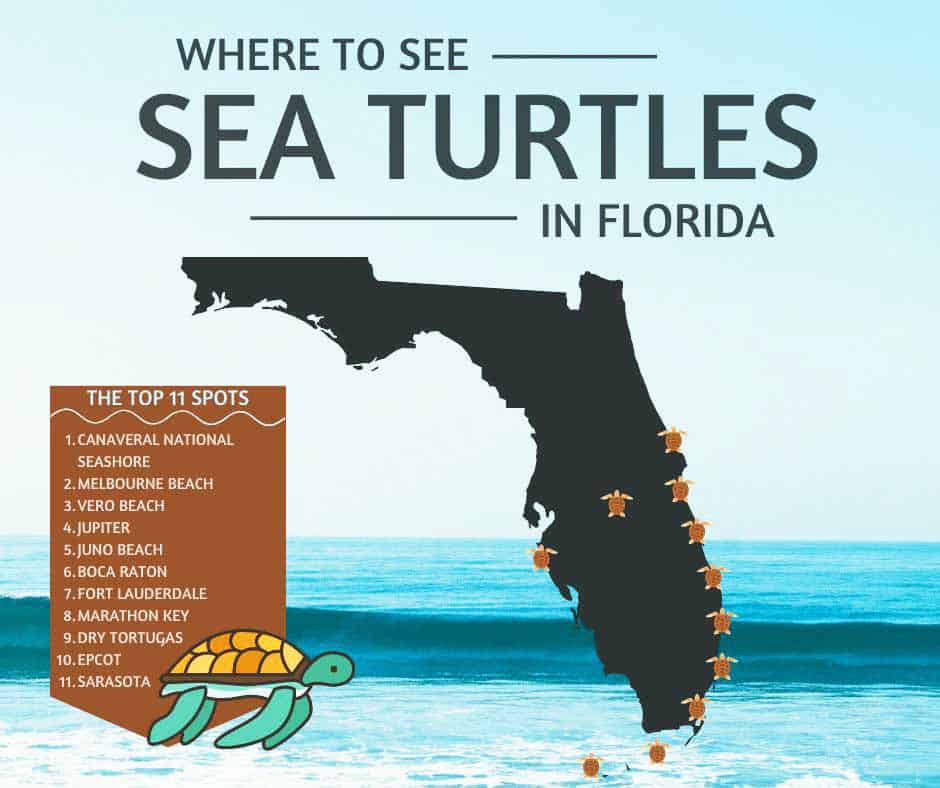
Sea turtle nesting season runs from March 1 through October 31 along Florida’s Atlantic coast, including Palm Beach, Broward, and Miami-Dade counties.
The three primary nesting species are loggerhead, green, and leatherback sea turtles.
Stay well back, remain quiet, avoid using flashlights or flash photography, and never touch or disturb the turtle. Allow her to complete the nesting process naturally.
Protected nesting areas help prevent people, pets, and beach equipment from disturbing eggs while they incubate and hatch.
Fill in holes before leaving the beach, remove chairs and umbrellas, dispose of trash properly, reduce artificial lighting near the beach at night, and respect all posted nesting areas.
Dogs are only permitted on designated dog-friendly beaches where local ordinances allow them. Even in pet-friendly areas, always keep dogs leashed, under control, and away from marked sea turtle nests and nesting wildlife. Check local beach regulations before visiting.